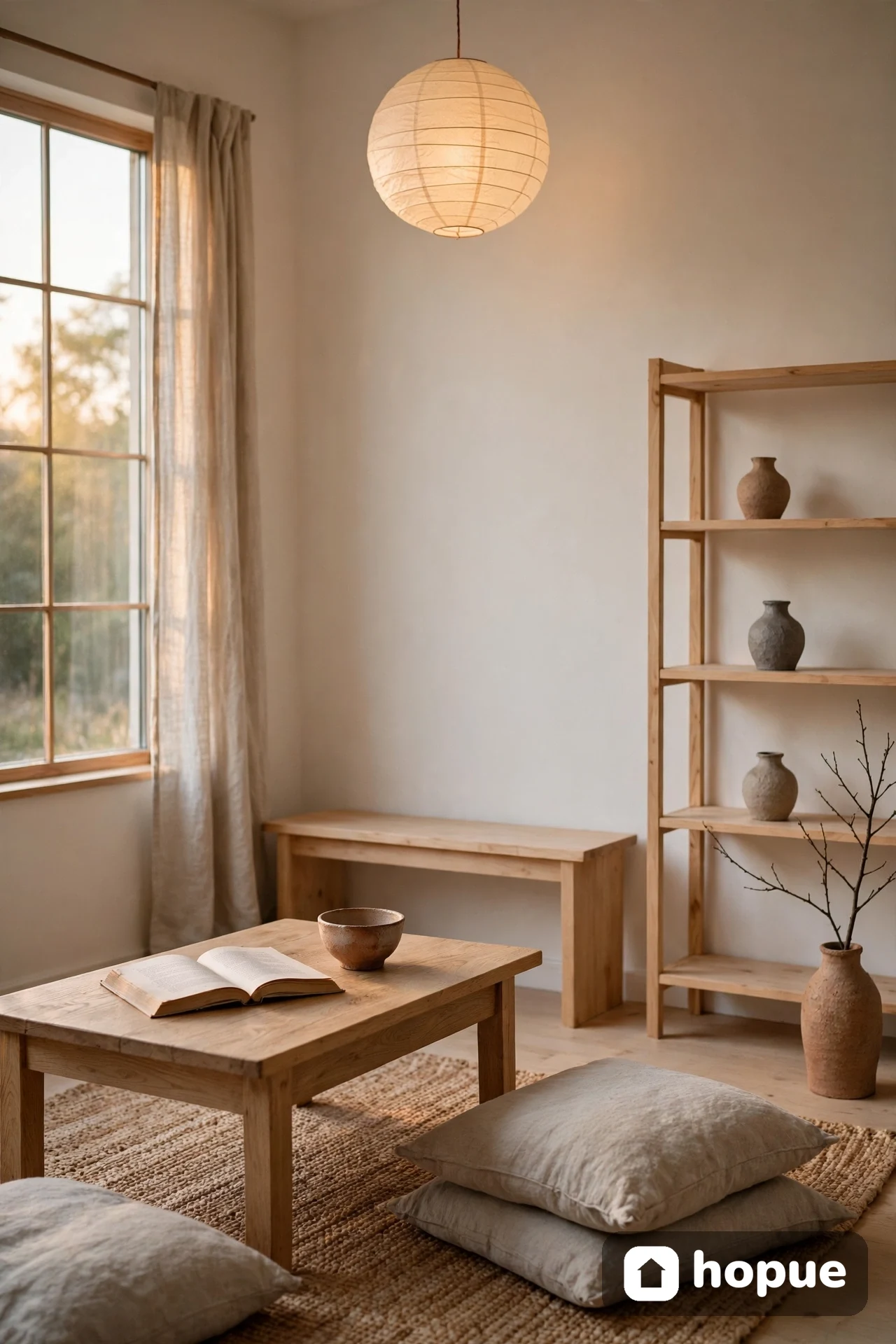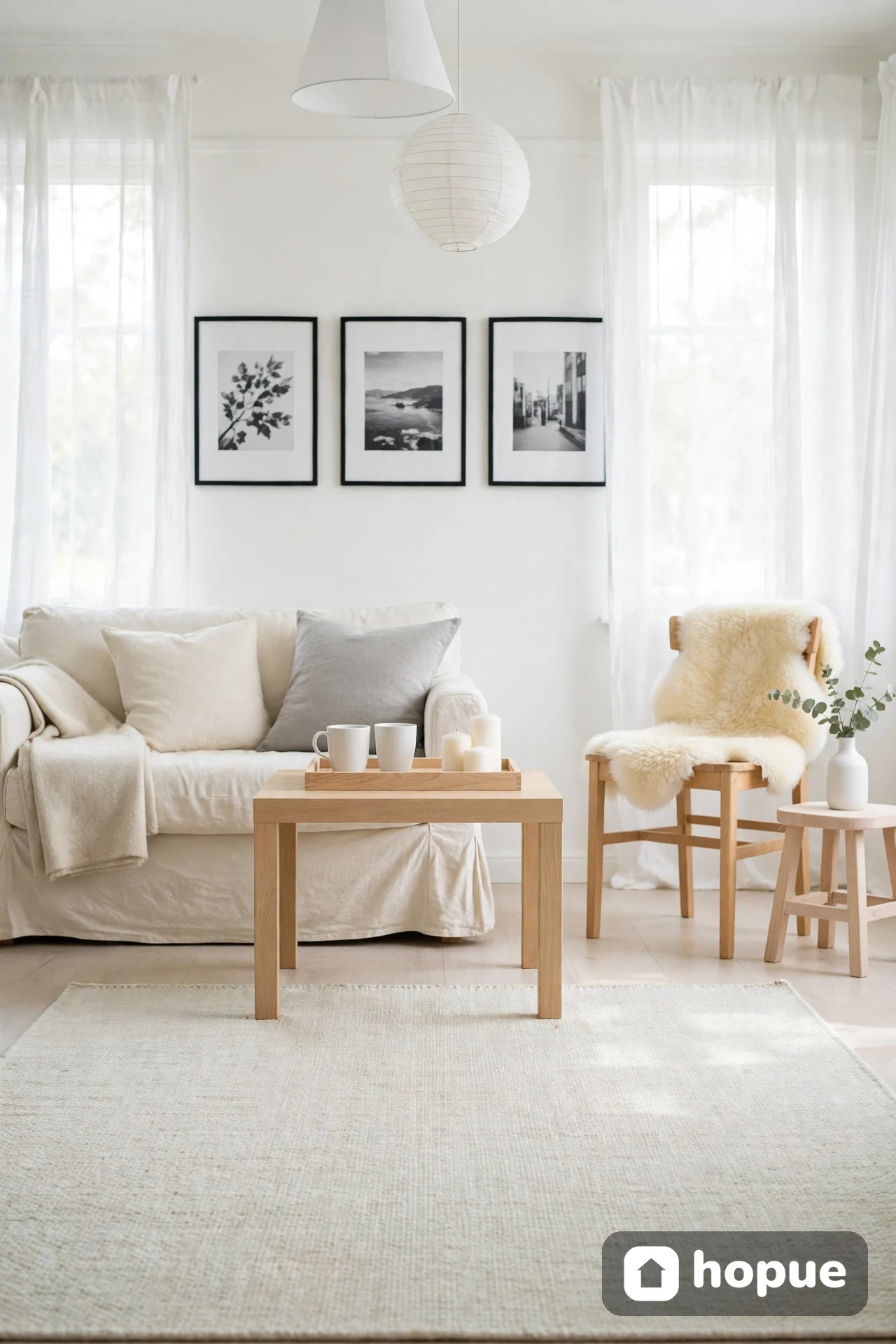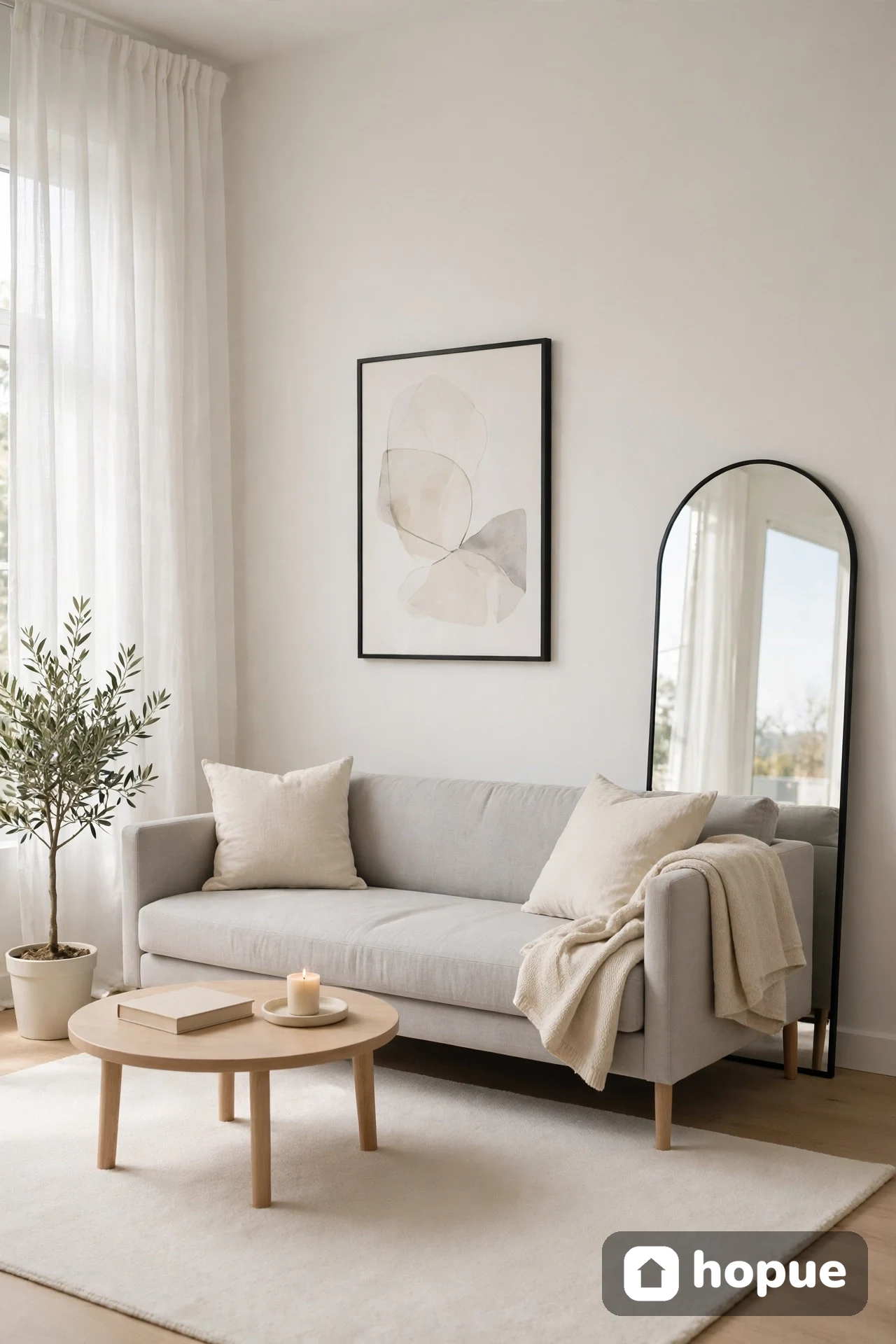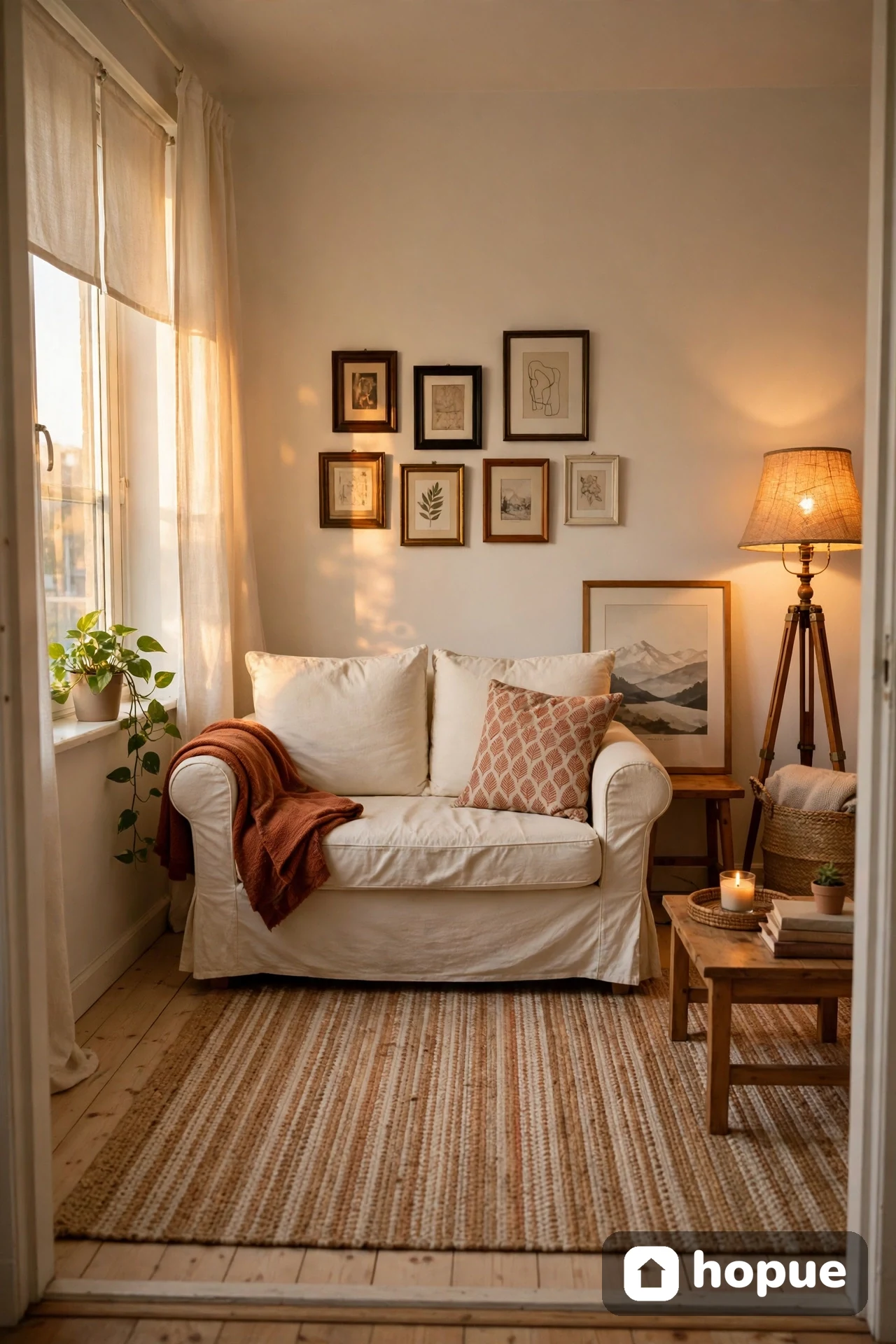
29 First Apartment Decor Ideas on a Budget
My first apartment had a mattress on the floor, one folding chair, and a lamp I borrowed from my parents. It took me months to stop buying random things that looked good in the store and did nothing at home. The place only started to feel like mine when I slowed down, made a short list, and bought — or found — one useful thing at a time. That is really what a first apartment decor checklist on a budget comes down to. Not a full cart. A clear order.
The ideas below follow that order. Start with the pieces you sit on, sleep on, and walk past every day. Then add the small, cheap layers that make a rented room feel personal: light, fabric, pictures, plants, and a place for your keys. Most of them cost little or nothing if you shop secondhand first, and all of them work in a small space without risking your deposit.
1. Measure First, Buy Second
A tape measure is the cheapest decor tool you will ever own. Before you buy a rug, a sofa, or a shelf, measure the wall, the doorway it has to fit through, and the floor space left once the door swings open. I learned this the hard way with a bookcase that would not turn the corner in my hallway. It lived in my car for a weekend.
Write the numbers on your phone. Keep a photo of the empty room with you when you shop. It stops the hopeful guessing that ends with a too-big table and nowhere left to walk. Measuring takes ten minutes. Returning furniture takes a whole Saturday.
2. Buy Used Before You Buy New
Thrift stores, estate sales, and local buy-nothing groups are where first apartments get their character. A solid wood side table with a scratch on one leg will outlast most flat-pack tables, and it will cost a fraction of the new price. Check the joints. Sit on the chair. Open the drawer twice.
Look for the boring, sturdy things used: lamps, frames, baskets, a small dresser, a dining chair or two. Leave the stained sofa cushions and the wobbly bookshelf behind. Wash everything, tighten a screw or two, and most secondhand finds look intentional instead of secondhand. My favorite lamp in my first place came from a neighbor who was moving. It still works.
3. Spend on the Seat You Use Most
If money is tight, put it where your body spends its time. For most people that means the sofa or the main chair, not a side table or a vase. A seat that hurts your back will make the whole apartment feel wrong, no matter how nice the pillows look.
A new sofa is not the only way to do this well. A clean secondhand sofa with a washable slipcover, or one good armchair plus a floor cushion for guests, can carry a small living room. Sit in it the way you actually sit — feet up, laptop open — before you decide. The rest of the room can wait.
4. Start With a Rug That Fits the Room
A rug that is too small makes a room look smaller. It floats in the middle like a mat, and the furniture crowds around it instead of sitting on it. In a small apartment, the rug should be big enough for the front legs of the sofa and chairs to rest on it. That one change pulls the seating area together.
A flat, low rug is easier to clean and easier to move when you leave. Washable rugs help if you eat on the sofa or have a pet. If a large rug is out of reach right now, layer two smaller ones you already have, or wait and save for the right size. A bare floor with a plan beats a small rug you will replace in three months.
5. Hang Cheap Curtains Higher and Wider
Plain curtain panels, hung a little above the window frame and a little past each side, make a window look taller and a wall look wider. It is one of the oldest renter tricks, and it works because your eye follows the fabric, not the small window behind it.
Skip the lined, fancy panels. Light cotton or linen-look panels in white, cream, or a soft warm gray let light through without blocking it. A simple tension rod works inside the frame if you cannot drill. Let the panels just brush the floor. Puddling fabric in a small room collects dust and trips the dog.
6. Use One Removable Wallpaper Wall
One wall of removable wallpaper gives a plain rental a focal point without paint or a fight over your deposit. Pick one wall — behind the bed, behind the sofa, or in a hallway — and leave the rest plain. A small pattern in a soft color reads calmer than a loud print across a whole room.
Order a sample first. Stick it up, live with it for a few days, and check it in morning light and at night. Peel-and-stick paper can pull paint if it stays up for years, so follow the maker’s removal steps and test a corner early. When it is time to move, peel slowly and warm a stubborn edge with a hair dryer.
7. Build a Gallery Wall From What You Already Have
You probably own the start of a gallery wall already: photos from a trip, a postcard, a kid’s drawing, a menu from a favorite cafe. Print a few more at a drugstore or library printer, mix them with pages torn from an old calendar, and hang them close together in a loose rectangle or a row.
Mismatched frames look fine if the pictures share a mood. Keep the spacing even — about the width of two fingers between frames — and step back often while you hang them. Command strips or picture-hanging strips hold light frames without holes. A gallery wall over a sofa or a desk fills a blank wall for almost nothing, and you can swap one picture when you get tired of it.
8. Lean Large Art Against the Wall
A big piece of art does not need a nail. Lean a framed print, a thrift-store painting, or a stretched canvas against the wall on top of a low dresser or straight on the floor in a corner. It looks relaxed, it takes thirty seconds, and your landlord will never know it happened.
Lean it at a slight angle, with the bottom edge out from the wall, and put something small in front of one corner — a book, a plant — so it looks placed, not dropped. This works best with one large piece rather than five small ones crowded on the floor. If you have kids or a dog that bumps into things, keep leaning art in a quiet corner, not a hallway.
9. Make Your Own Art From Fabric and Paper
Not every wall needs a bought print. A piece of fabric you love, stretched over a cheap canvas frame or clipped to a wooden hanger, reads like art. So does a row of paint color cards in a line, or a page from a used book with a good illustration, framed simply.
I once framed three dish towels with a block print I could not afford as yardage. Guests asked where I bought them. The trick is a plain frame and a lot of white space around the pattern. Keep the colors in the same family as the rest of the room so a handmade piece feels like a choice, not a filler.
10. Light in Layers, Not Just the Ceiling Light
Most rentals have one harsh ceiling light per room. It flattens everything. Turn it off more often and use two or three small lights instead: a floor lamp by the sofa, a table lamp on a shelf, a small clip light by the bed. Warm bulbs help. The room will feel softer right away.
Matching lamps are not the point. A thrifted floor lamp, a lamp from a relative, and a cheap new shade can sit in the same room if the light color matches. Put one light low, one at sitting height, and leave a dark corner or two. A room with only bright light feels like an office. A room with pools of light feels like home.
11. Add String Lights Where the Ceiling Light Feels Harsh
String lights are not just for December. A short strand along a bookshelf, around a window frame, or above a bed gives a small room a warm glow for very little money. They are easy to take down, they leave no holes if you use small adhesive hooks, and they make a plain corner look finished at night.
Keep it to one or two strands in one room. Too many, and the place starts to look like a dorm. Warm white beats colored bulbs for everyday living. Plug them into a simple timer so they come on in the evening and you never have to crawl behind the sofa to switch them off.
12. Use a Big Mirror to Open Up a Small Room
A large mirror across from a window bounces light back into the room and makes a narrow living area feel less boxed in. A leaner mirror on the floor works, or a framed mirror hung with a picture strip if it is light enough. Check what it reflects before you commit. A mirror that shows a blank wall or a pile of laundry doubles the mess.
Thrift stores are full of good mirrors with dated frames. A coat of matte black or white spray paint, done outside on newspaper, makes an old frame look new. Wipe the glass, hang it straight, and leave the wall around it mostly empty. One strong mirror does more than three small ones scattered around.
13. Layer Pillows With Covers You Can Swap
Pillows are the fastest way to change a room without buying new furniture. Buy plain, firm pillow inserts once, then collect covers. Two or three covers per season is plenty. A mix of one solid, one pattern, and one with texture — linen, knit, or velvet-look — keeps a sofa from looking flat.
Keep the sizes simple: two larger pillows at the corners, one smaller one in front. Stuff the covers full so the corners do not sag. When you get bored, swap one cover, not the whole set. That is how a sofa looks different in October than it did in June, for the price of a lunch.
14. Keep One Throw Within Reach
A throw blanket is decor and a tool. Draped over one sofa arm or folded over the back of a chair, it adds color and softness. Pulled over your legs on a cold night, it earns its place. Choose one you actually like touching, in a color that works with the pillows but does not match them exactly.
Fold it in thirds and lay it across the arm, or drape it loosely and leave the folds alone. A throw that is folded too neatly looks like a store display. A throw that lives in a heap on the floor looks like laundry. Wash it often. If it is not soft enough to reach for on a cold night, it will stay folded and useless.
15. Bring in One Real Plant, Then Propagate It
Plants make a new apartment feel lived in faster than almost anything else. Start with one forgiving plant — a pothos, a snake plant, or a spider plant — and learn how much light your windows really get before you buy five more. A plant that survives your first month teaches you more than a shelf full of dying ones.
Pothos and spider plants make babies you can snip, root in water, and pot for free. In a few months, one plant becomes three, and the new pots can go on a shelf, a windowsill, or a friend’s desk. Use a plain pot and a saucer. The plant is the decor. The fancy pot can come later, if ever.
16. Style the Books You Already Own
Books are free decor if you already own them. Stack three or four on a coffee table with a small object on top. Line a shelf with the spines facing out, tallest at one end, and leave a gap for a photo or a small plant. Turn one stack sideways so the shelf does not look like a library wall.
Do not buy books by color to fill a shelf. It looks staged, and you will never read them. Use the books you have, mix paperbacks with hardcovers, and let a few titles show. A shelf with real books, a little uneven, says more about who lives here than a perfect row ever could.
17. Hide the Mess in Baskets
Small apartments do not have enough closets. Baskets fill the gap. One by the door for hats and gloves. One by the sofa for chargers and remotes. One in the bedroom for the clothes that are not dirty enough to wash and not clean enough to put away. Everyone has that pile. Give it a basket.
Natural baskets in seagrass or woven cotton look calm and hide a lot. Label nothing. If you can see the mess, the basket is too open — pick one with tighter weaving or add a folded cloth over the top. When guests come, the whole room can be tidied in five minutes by putting stray things in their baskets.
18. Give the Entry a Landing Spot
The first few feet inside your door set the tone for the whole apartment. A small tray for keys, two or three hooks for coats and a bag, and a mat that catches dirt will do more than a console table you cannot afford yet. If there is no wall space, a single hook and a small dish on a shelf work.
Only what you use daily belongs here. A coat you never wear does not belong on the only hook. A tray with keys, sunglasses, and mail you still need to open is useful. A tray with six months of mail is a junk drawer standing up. Empty it once a week, on the same day you take out the trash.
19. Use a Tray to Make a Table Look Finished
A tray turns a scattered coffee table into a styled one. Put a candle, a small plant, and a book or two on the tray, and leave the rest of the table clear. The tray holds the group together, and you can lift the whole thing off when you need the table for dinner or a puzzle.
Any flat tray works — wood, metal, a thrifted serving tray, even a large cutting board. Keep the items different heights: something tall, something low, something flat. If everything on the tray is the same size, it looks like a row of objects waiting to be put away. One tray per table is enough.
20. Turn the Kitchen Counter Into a Small Display
Kitchens in small apartments have almost no counter space, so every object on the counter has to earn it. Keep out only what you use and what looks good doing it: a wooden cutting board leaning against the wall, a jar of wooden spoons, a small plant by the window, a bowl for fruit.
Put the rest away. A toaster you use twice a week can live in a cabinet. A row of spice jars looks nice in photos and gets dusty and greasy in real life — keep the three spices you reach for out, and the rest in a drawer or a box. A clear counter with three good things on it feels bigger than a crowded one.
21. Let the Shower Curtain Do the Work in the Bathroom
In a small bathroom, the shower curtain is the biggest piece of fabric in the room. Treat it like the wall color. A plain curtain in white, warm cream, or a soft pattern sets the tone, and matching towels in one of its colors finish the job without buying anything else.
Hang the curtain a little higher than the rod that came with the place if you can, and let it fall straight. A fabric curtain with a liner lasts longer and looks better than a thin plastic one, and you can wash it. Keep the counter to soap, a toothbrush cup, and one small plant or candle. The rest goes in a basket under the sink or behind the door.
22. Make the Bed the Bedroom’s Main Decor
In a small bedroom, the bed takes up most of the room, so dress it like it matters. Crisp sheets, a duvet or coverlet you like, and two sleeping pillows plus one or two larger pillows for sitting up will make the whole room feel done. Skip the twelve-piece bedding set.
Start with white or cream sheets. They go with everything, they are easy to replace one piece at a time, and they make a small room feel brighter. Add color with the duvet cover or one folded blanket at the foot. Make the bed every morning. It takes two minutes, and it is the difference between a bedroom and a storage room with a bed in it.
23. Fake a Headboard Without Buying One
A headboard can cost as much as the bed frame, and you may not be allowed to bolt one to the wall. Hang a piece of fabric, a flat woven wall hanging, or a large framed print behind the bed instead. A row of three small frames at pillow height works too, if they are hung straight and level with each other.
Another option costs nothing extra: use two large euro pillows propped against the wall as a soft headboard. They protect the wall from scuffs, they are comfortable to lean on, and they move with you to the next place.
24. Choose Furniture That Stores Things Too
Every piece in a first apartment should do two jobs if it can. A storage ottoman holds blankets and gives guests a seat. A bench by the door holds shoes inside. A bed frame with drawers, or even simple risers with flat bins underneath, turns dead space into storage without adding another cabinet.
Before you buy a pretty piece with no storage, ask where its contents will live. A glass side table looks light and airy, and then the remotes, chargers, and notebooks pile up beside it. A small table with one drawer hides all of that. In a small place, hidden storage is not boring. That one drawer is why the room still looks calm at nine at night.
25. Group Candles Instead of Scattering Them
One candle on every surface looks like you forgot to put them away. Three candles grouped together — different heights, same color family, on a small plate or tray — look deliberate. The group becomes a focal point on a shelf, a table, or a windowsill, and the rest of the room stays clear.
Use unscented candles if you burn more than one at a time, or keep scented ones to a single room. Never leave a lit candle alone, and keep them away from curtains, throws, and plant leaves. Battery candles are a good stand-in for a high shelf or a home with pets. They look fine in a group, and no one will check.
26. Set Up a Small Work Corner That Can Close Away
Many first apartments have no office. A corner of the bedroom or living room has to do. Pick a small desk or a sturdy table, a chair that does not hurt after an hour, and one lamp. Keep work things in a box or a basket so the corner can turn back into living space in the evening.
A folding screen, a curtain on a tension rod, or even a tall plant can mark the edge of the work corner without building a wall. At the end of the day, close the laptop, put the papers in the box, and push the chair in. A work corner that never closes will slowly take over the room it sits in.
27. Keep a Swap Box for Seasonal Changes
Forget two full sets of seasonal decor, one for winter and one for summer. You need one box. In it: two pillow covers, a throw, a candle, a small garland or a few ornaments, and whatever else marks the season for you. Swap the box contents in, put the old ones in the box, and store it on top of a closet or under the bed.
This keeps spending in check because you see what you already own before you buy anything new. It also keeps the apartment from slowly filling with holiday items that have nowhere to live. One box, one swap, twice or three times a year. If something has not come out of the box in two years, give it away.
28. Show One Collection, Not Everything You Own
A first apartment is a good time to show what you love, and a bad time to show all of it at once. Pick one collection — mugs, vinyl records, travel souvenirs, plants — and give it a clear home: one shelf, one wall, one cabinet top. Let the rest stay stored or spread thinly through the rooms.
A single shelf of records with a small player, or five mugs on hooks instead of twenty in a cabinet, reads as a collection. Twenty mugs crowded together reads as clutter. Rotate the display when you find something new. The pieces you swap out will feel fresh when they come back in a few months.
29. Work Down a Room-by-Room Checklist, Essentials First
This is where a first apartment decor checklist budget earns its keep. Write down each room, then list what it needs to function before it needs to look good. Living room: seat, light, rug, table. Bedroom: bed, bedding, lamp, storage. Kitchen: a place to prep, a place to sit, a place to put dishes. Bathroom: curtain, towels, storage. Entry: hook, tray, mat.
Buy the essentials first, in that order, and let the pretty extras wait until each room works. Check things off as you go, and carry the list when you shop secondhand so a good find in the wrong room does not derail you. A finished first apartment is not one where every room is decorated. It is one where every room works, and a few small things in each room make it yours.
A first apartment does not need to be finished in a weekend, and it does not need to look like anyone else’s. Buy the seat, hang the light, put your books and photos where you can see them, and let the rest arrive slowly. The rooms that feel best a year from now are usually the ones that were built one honest choice at a time, not the ones that were filled in a single shopping trip.
Frequently Asked Questions
What should I buy first for a first apartment on a tight budget?
Buy in this order: a bed and bedding, a seat, a table to eat and work at, a rug if the floor is cold or bare, and two or three lamps. Those five cover sleeping, sitting, eating, and seeing. After that, add storage — baskets, hooks, a shelf — before you add wall art or extra pillows. Decor bought before the basics are covered usually ends up moved, stored, or given away when the real need shows up.
How do I decorate a rental without losing my deposit?
Use methods that come off clean: picture-hanging strips, removable hooks, tension rods, leaning art, and removable wallpaper tested in a hidden corner first. Photograph every wall and floor on move-in day, before you unpack, and keep those photos until you move out. When you leave, remove everything, fill any holes your lease allows you to fill, and clean the walls gently. If your lease bans something outright — paint, nails, adhesive on a certain surface — skip it, even if you have seen it work elsewhere.
How can a small first apartment look less empty without buying a lot?
Fill the big surfaces first. A rug, curtains, one large piece of leaning art, and bedding that covers the bed will take up more visual space than twenty small objects. Then add height: a floor lamp, a tall plant, a leaning mirror. Small objects scattered on empty shelves make a room look emptier, not fuller, because they draw attention to the gaps. A few large, simple things beat a lot of little ones every time in a small room.
Can I mix secondhand furniture with new decor?
Yes, and most first apartments look better for it. The mix works when the pieces share something — a wood tone, a color, or a simple shape — even if they came from different decades. A new white duvet cover, for example, makes an older wooden bed frame look deliberate. A thrifted lamp with a new shade looks new. Wash and repair secondhand pieces before they go in the room, and keep the new items to the things that touch your skin or get used hard: bedding, towels, and the seat cushion.